Choosing between concrete and asphalt often depends on durability, cost, appearance and the conditions around your property. Concrete generally lasts longer and holds its shape well under heavy loads, while asphalt offers a flexible surface that handles temperature changes better.
Many homeowners feel unsure about which option suits their driveway, especially when weighing long-term value against initial installation costs. Both materials perform differently in the Maitland region depending on soil type, climate and how often the driveway is used.
Understanding the differences helps avoid future repairs and supports better planning. With a clear comparison, it becomes easier to choose a driveway material that performs well and matches the way you use your property.
Durability and Longevity
Concrete offers strong long-term performance and is known for its ability to hold up under heavy loads. When installed and sealed correctly, a concrete driveway can last several decades with only minor maintenance. It stays firm through different weather conditions and remains stable on sites that handle frequent vehicle use.
Asphalt provides good durability but has a shorter lifespan compared to concrete. Its flexible structure helps it manage temperature changes, which reduces cracking in some climates. However, asphalt can soften during hotter periods and may need resurfacing to maintain a smooth finish.
Understanding how each material performs over time helps support better decision-making. If long-term strength is a priority, concrete generally provides a more durable surface, while asphalt offers flexibility for properties exposed to regular climate changes.
Maintenance and Repairs
Concrete driveways need minimal maintenance to stay in good condition. Small cracks can appear over time, but sealing them early helps stop further damage. Applying a protective sealer every few years helps retain colour and surface strength. When installed properly, concrete stays stable with limited attention.
Asphalt needs more frequent care to stay smooth and protected. It should be resealed every few years to reduce the chance of cracking, fading and moisture damage. Repairs are usually faster and more affordable compared to concrete, but the repeated care required can increase long-term costs.
Both materials perform well, but their maintenance needs differ. Concrete suits homeowners who prefer low maintenance, while asphalt works for those comfortable with more frequent care.
Aesthetic Appeal
Concrete offers a wide range of visual options for driveways. Homeowners can choose from different colours, textures and finishes to match the style of the property. Decorative choices such as exposed aggregate or stamped designs can also be used to create a more distinctive look. This flexibility helps concrete complement many architectural styles.
Asphalt provides a clean and uniform surface, which suits properties that prefer a simple appearance. While it does not offer the same level of design choice as concrete, it delivers a smooth finish that works well in many residential areas. The dark surface can also create strong contrast with surrounding landscaping.
Choosing between the two depends on how much design control is needed. Concrete supports more customisation, while asphalt offers a straightforward, polished look.
Installation Time and Cost
Asphalt driveways are usually installed faster and cost less at the beginning. They can often be driven on within a short period after laying, which makes them suitable for projects that need quick access. The lower initial cost is appealing for many homeowners, especially when managing budgets for other upgrades.
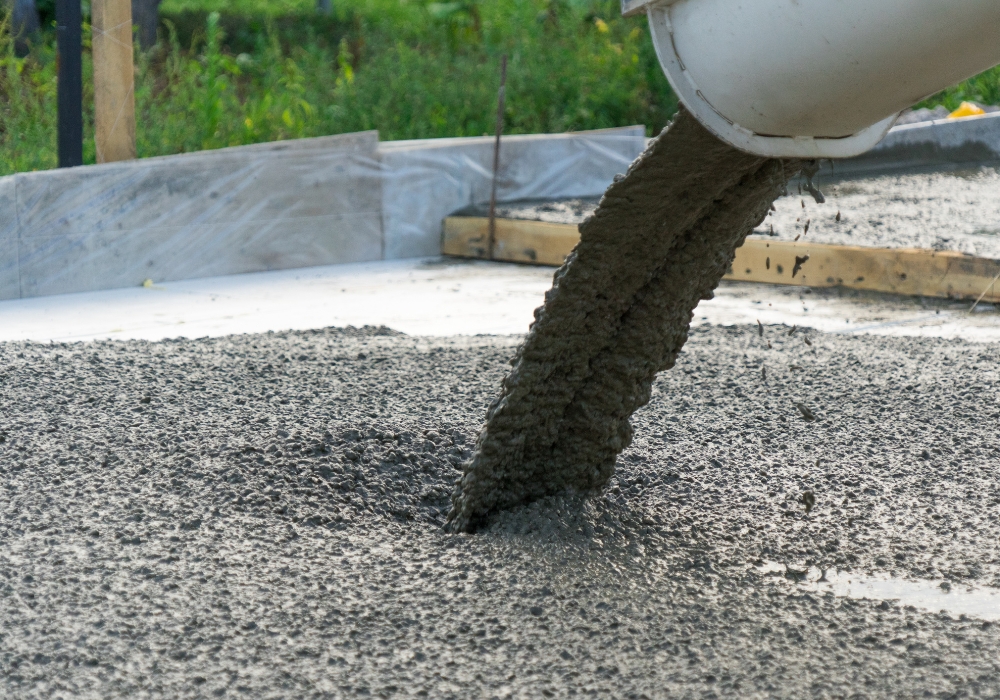
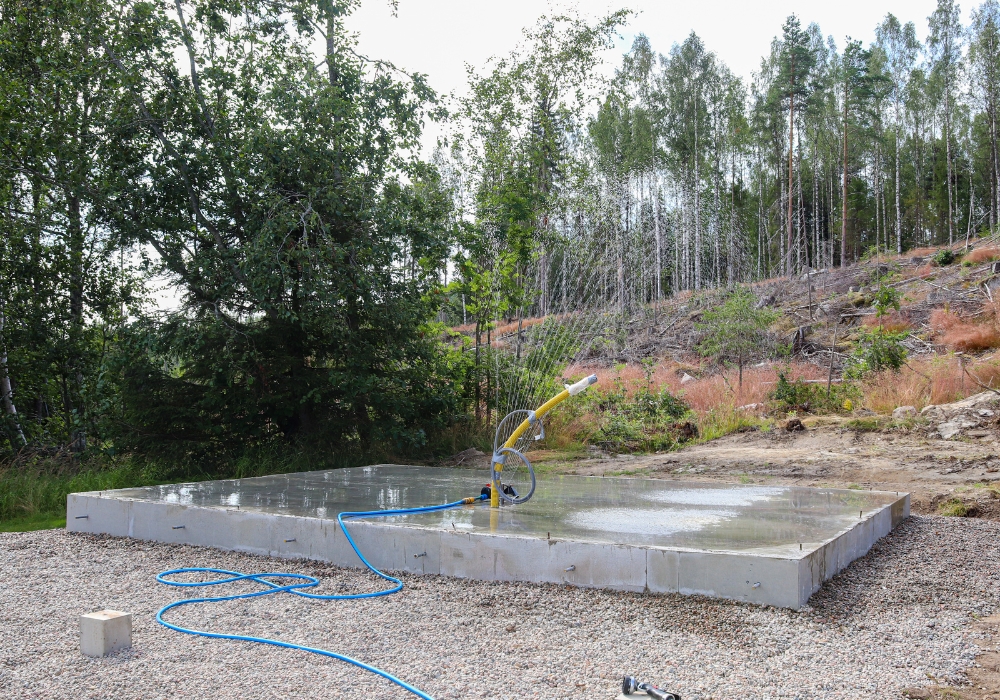
Concrete driveways take longer to cure and have a higher upfront price. This added time helps the surface form a strong base that supports long-term performance. While the initial cost is higher, concrete often provides better value over many years due to its long lifespan and minimal maintenance needs.
Both materials deliver practical benefits, but the choice often depends on project timing and how much importance is placed on long-term durability.
Environmental Impact
Concrete has a higher carbon footprint during production due to the materials required to make cement. However, its long lifespan and limited maintenance help reduce the need for frequent replacement. Concrete can also be crushed and reused in other construction projects, which supports waste reduction and recycling.
Asphalt is made from petroleum-based products but can be recycled many times. Old asphalt can be reheated and reused, which helps lower waste and supports sustainable practices. Its darker surface absorbs more heat, which may influence the surrounding temperature during warmer months.
Both materials offer environmental benefits in different ways. The best choice depends on how the driveway will be used and the local conditions that influence long-term performance.
Climate Suitability
Climate plays an important role in how driveway materials perform over time. Concrete handles warm and moderate conditions well and stays firm under steady temperatures. In colder areas, freeze–thaw cycles can place pressure on concrete, which may lead to small cracks if the surface is not sealed and maintained.
Asphalt manages colder conditions more effectively because its flexible structure adapts to temperature changes. It can expand and contract without placing too much stress on the surface. During very hot weather, asphalt may soften, especially when exposed to heavy loads or frequent traffic.
Considering local climate conditions helps determine which material will stay stable for longer. Properties in warmer zones may prefer concrete, while areas with colder seasons often benefit from the flexibility of asphalt.
Professional Installation Matters
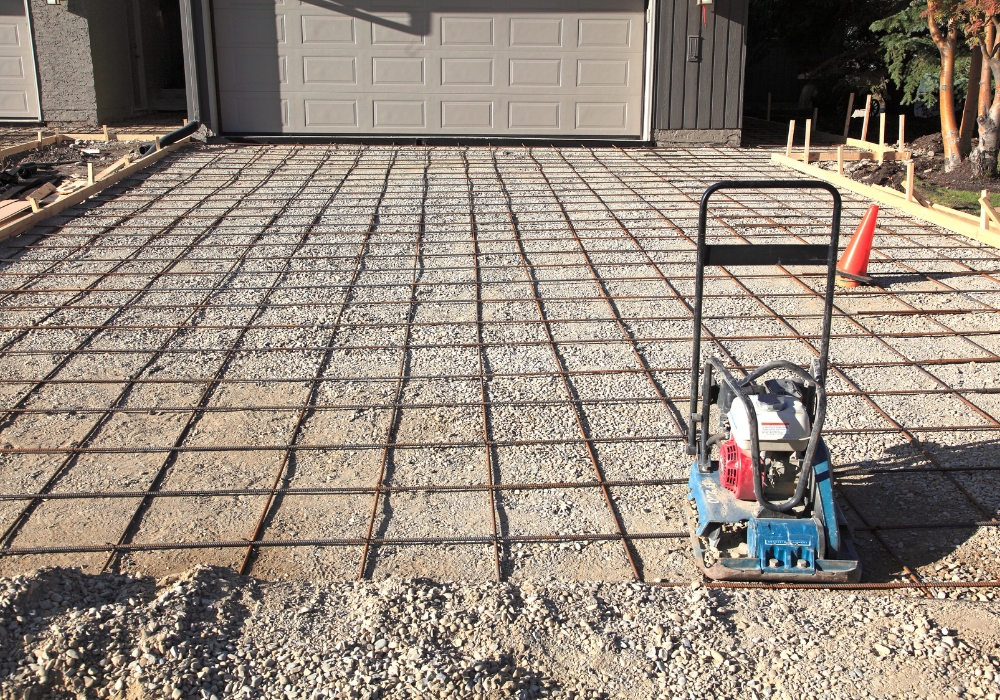
A driveway performs best when the surface is installed correctly and supported by proper preparation. Poor groundwork can lead to drainage problems, surface movement and early cracking, no matter which material is chosen. A well-prepared base helps both concrete and asphalt remain level, stable and able to manage regular vehicle use.
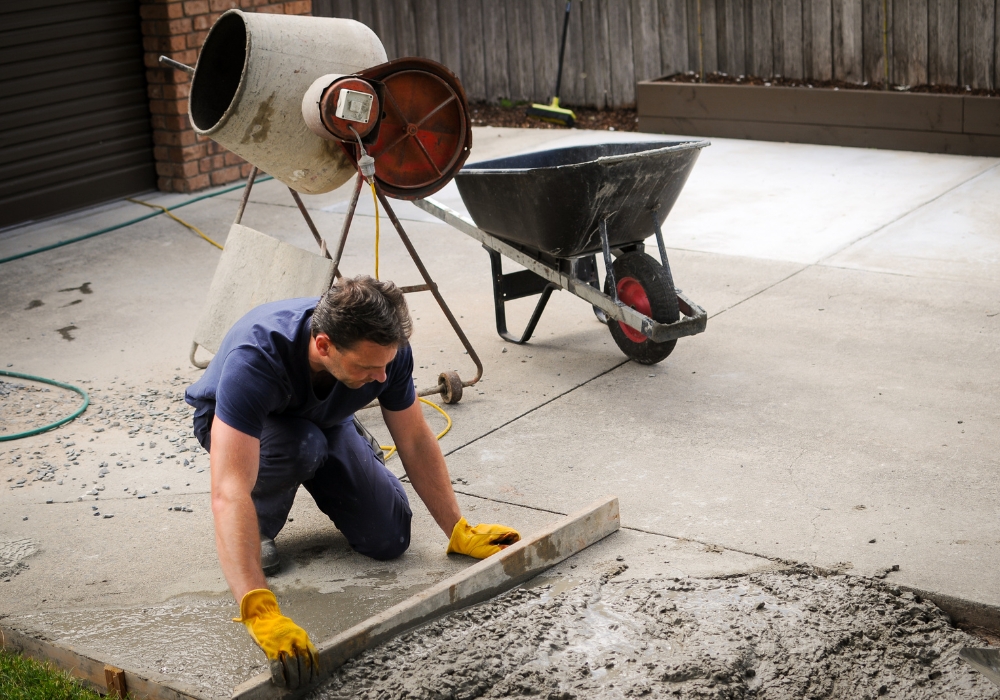
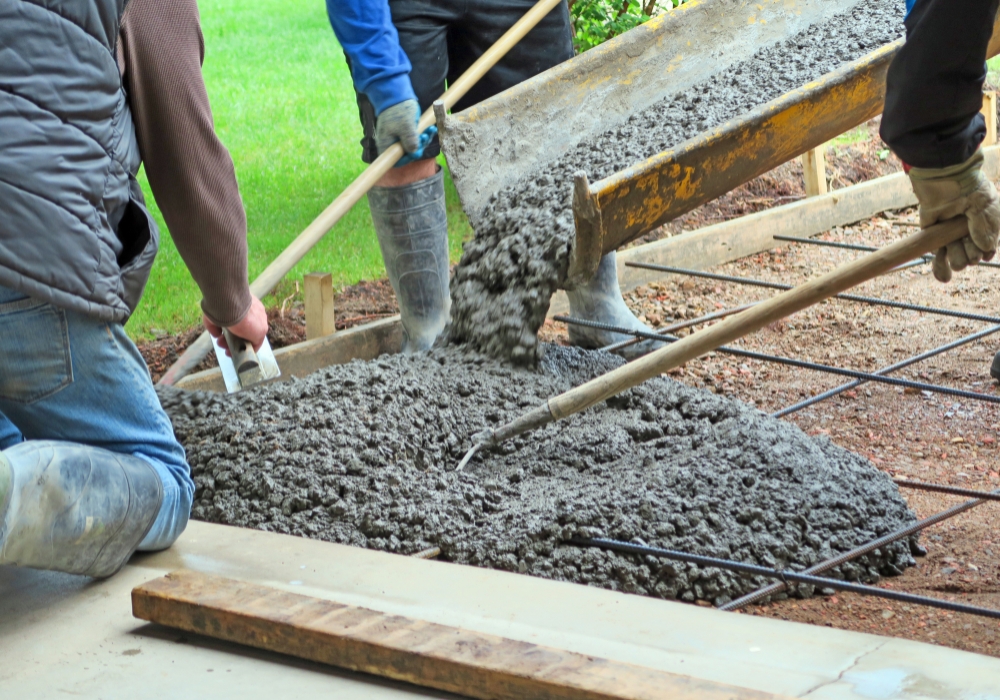
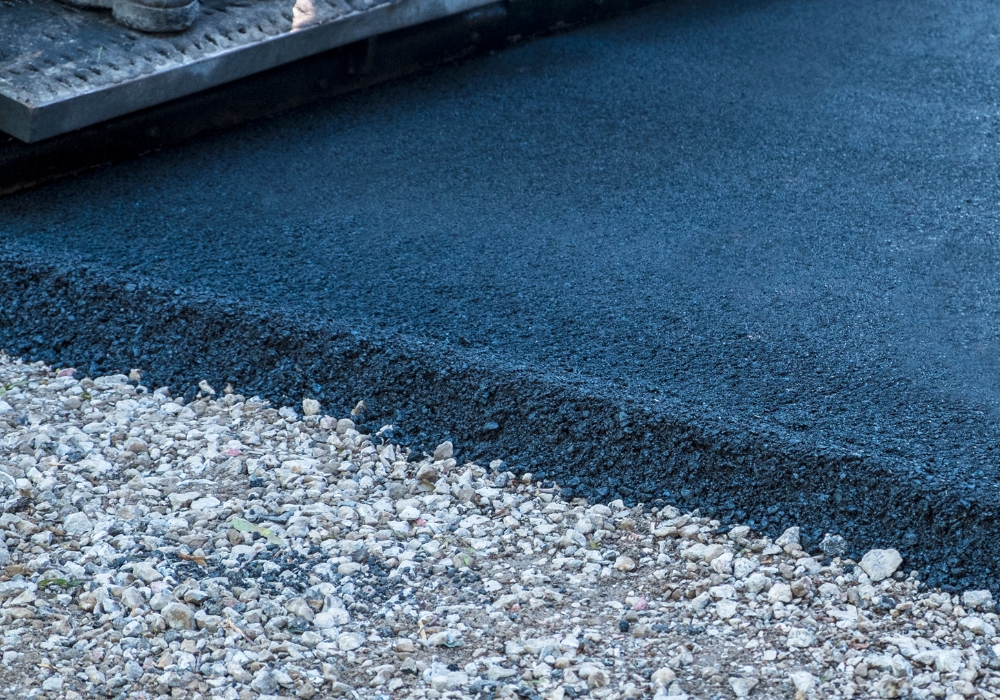
The quality of finishing also affects how long the surface lasts. Concrete requires even placement and careful curing, while asphalt needs correct compaction to form a smooth and durable layer. Skilled installation reduces the chance of future repairs and helps the driveway maintain its strength.
For guidance on how different driveway surfaces compare in long-term performance, this helpful resource from Marcrete Pumping outlines durability and material behaviour across common driveway finishes.
How Concreters Maitland Can Help
At Concreters Maitland, we support homeowners who want a driveway that performs well and suits the conditions of their property. Our team can assess the site, explain the differences between concrete and asphalt and suggest options based on how the driveway will be used.
We focus on proper preparation and finishing, as these steps have a major influence on how long a driveway lasts. With the right approach, concrete can form a strong, stable surface that manages daily use and continues to look good over time.
If you are planning a new driveway or replacing an old one, you can reach out to us for guidance. We can help you choose a surface that fits your needs and arrange the next steps for installation or planning.
Frequently Asked Questions
Which driveway material lasts longer
Concrete generally lasts longer due to its firm structure and reduced need for repairs.
Is asphalt cheaper than concrete
Asphalt usually has a lower initial price and faster installation time.
Does concrete crack more easily
Concrete can develop small cracks from ground movement or temperature changes, but sealing and proper preparation help reduce this. Asphalt flexes more, which limits cracking in some climates.
Is asphalt better in cold weather
Asphalt adapts to temperature changes and handles cold conditions well. Concrete performs strongly in warmer climates and moderate conditions.
Which material suits Australian homes
Both can work well, but the choice depends on climate, soil type and how often the driveway is used. Concrete offers strength, while asphalt suits areas with seasonal temperature shifts.