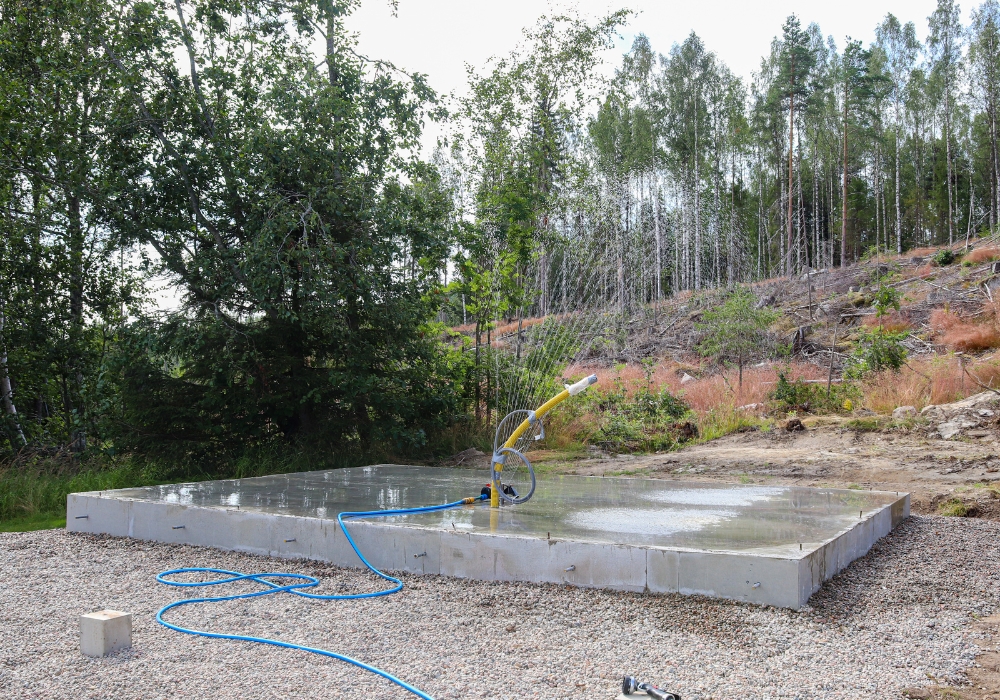
Garage slabs and house slabs serve different purposes and must be built to different standards. Garage slabs handle concentrated loads from vehicles and equipment, while house slabs support walls, internal finishes and day-to-day movement across the home. Each slab type requires its own thickness, reinforcement and moisture protection.
Using the wrong design can lead to cracking, uneven surfaces or moisture problems as the structure settles. Slabs that are not matched to their load or site conditions often fail earlier and cost more to repair.
Knowing these differences at the start helps ensure the slab meets Australian standards and performs correctly for the life of the structure.
Why Slabs Differ Between a House and Garage
House slabs and garage slabs are built for different loads and conditions. A house slab supports walls, internal finishes and the full structure, so it must manage soil movement and provide a stable base for long-term use. These slabs also need moisture control and insulation to suit indoor environments.
A garage slab carries heavier, concentrated loads from vehicles, tools and equipment. Tyres and axles apply pressure to small areas of concrete, so the slab needs extra thickness and stronger reinforcement. Garages are also exposed to water, oils and temperature changes, which influence how the concrete is designed and finished.
Structural and Load Differences
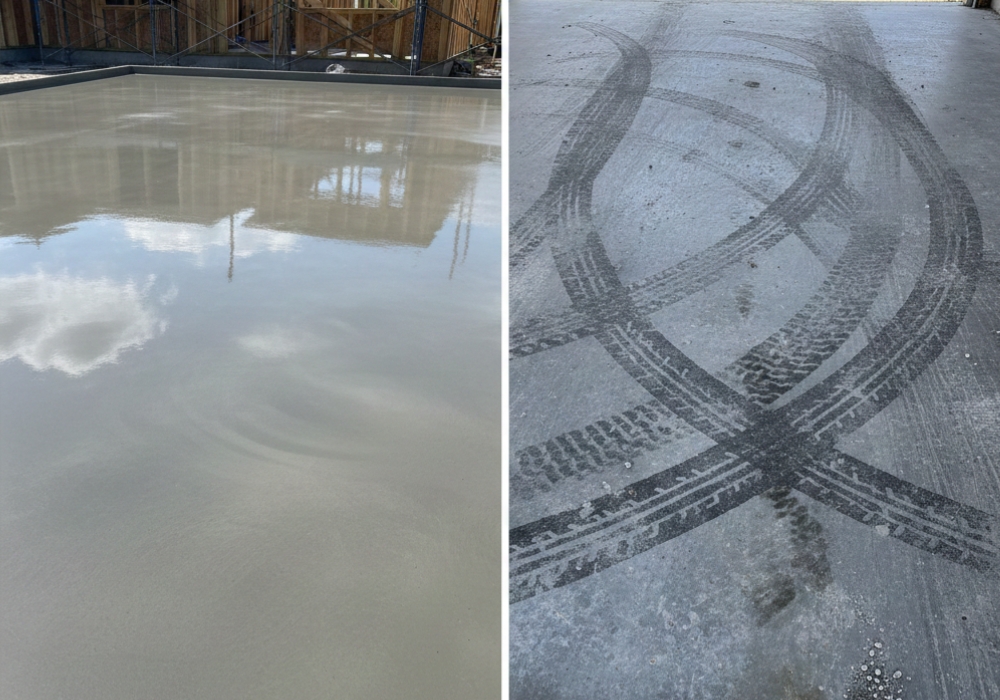
House slabs and garage slabs differ mainly in thickness, strength and reinforcement. A standard house slab is usually 100–150mm thick, depending on soil classification and engineering. Reinforcement is designed to spread weight across the entire slab so walls and internal finishes remain stable.
Garage slabs often range from 150–200mm because they carry concentrated loads from tyres, axles and equipment. These loads focus pressure on small areas, so the slab needs stronger reinforcement, often with heavier mesh or bar layouts. Garage slabs commonly use higher-strength concrete, around 25–32 MPa, to handle impact and movement.
The increased depth and reinforcement help prevent cracks where vehicles enter, stop or turn.
Moisture and Vapour Barriers
House slabs need moisture protection to prevent rising damp from entering the living area. A polyethylene vapour barrier is usually installed under the slab to keep moisture out of flooring materials and reduce the risk of mould or surface damage.
Garage slabs do not always require the same level of vapour control because the space is not habitable. However, moisture can still cause surface wear, staining or corrosion over time. Proper drainage and a basic moisture barrier help protect the concrete, especially in garages exposed to water from vehicles or weather.
Drainage around the slab also plays a role in preventing moisture from pooling along the edges.
Thermal Insulation and Comfort
House slabs often include insulation to improve indoor comfort and reduce heat loss through the concrete. Insulation can be installed under the slab or along the edges to help maintain even temperatures throughout the home. This step is important for energy efficiency and meeting building requirements for habitable spaces.
Garage slabs rarely include insulation because the area is not used as a living space. The focus is on strength and durability rather than temperature control. If the garage is later converted into a room, insulation can be added above the slab during the renovation process.
Surface Finishing and Slope Requirements
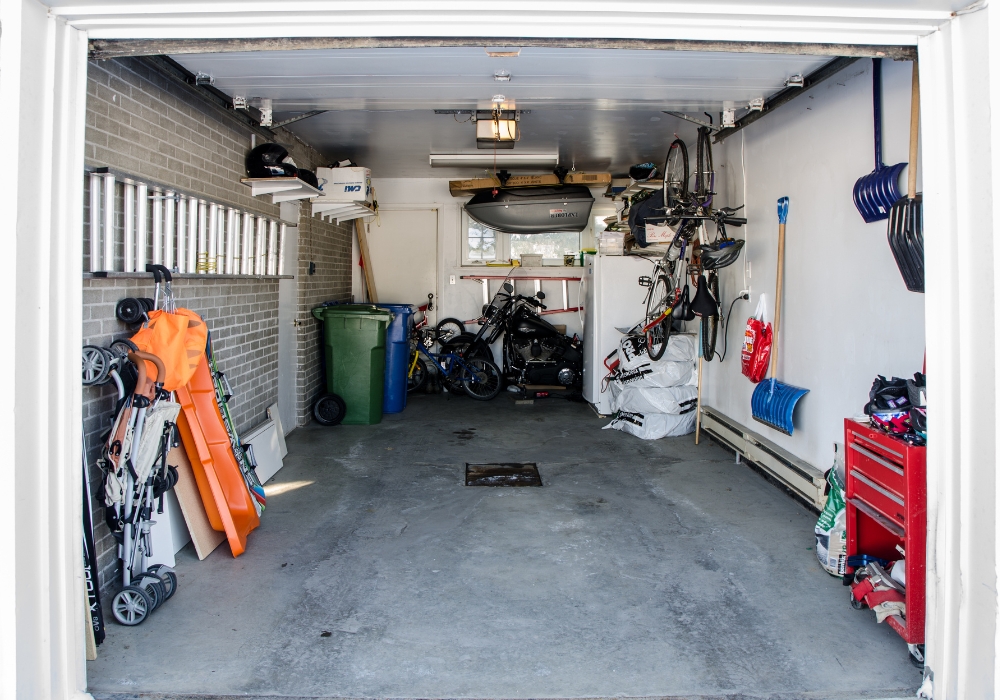
House slabs are usually finished smooth so flooring materials can be installed without height issues or uneven surfaces. The aim is to create a flat base that supports tiles, timber, carpet or polished concrete finishes inside the home.
Garage slabs need a tougher surface to handle daily vehicle use, tools and spills. Coatings such as epoxy, penetrating sealers or broom finishes help increase traction and protect the concrete from oil, water and impact. Many garage slabs also include a slight slope toward the door or a drain so water flows away instead of pooling.
Reinforcement and Engineering Design
Reinforcement differs between house slabs and garage slabs because each carries different loads. House slabs usually rely on mesh placed across the entire area and tied into edge beams. These beams help the slab manage soil movement and keep internal walls stable over time.
Garage slabs often use heavier reinforcement, especially under vehicle paths or where equipment will sit. Engineers may specify bar reinforcement or thicker mesh in high-load zones. Some designs also include deeper edge beams near the garage entrance to reduce cracking where vehicles turn or brake.
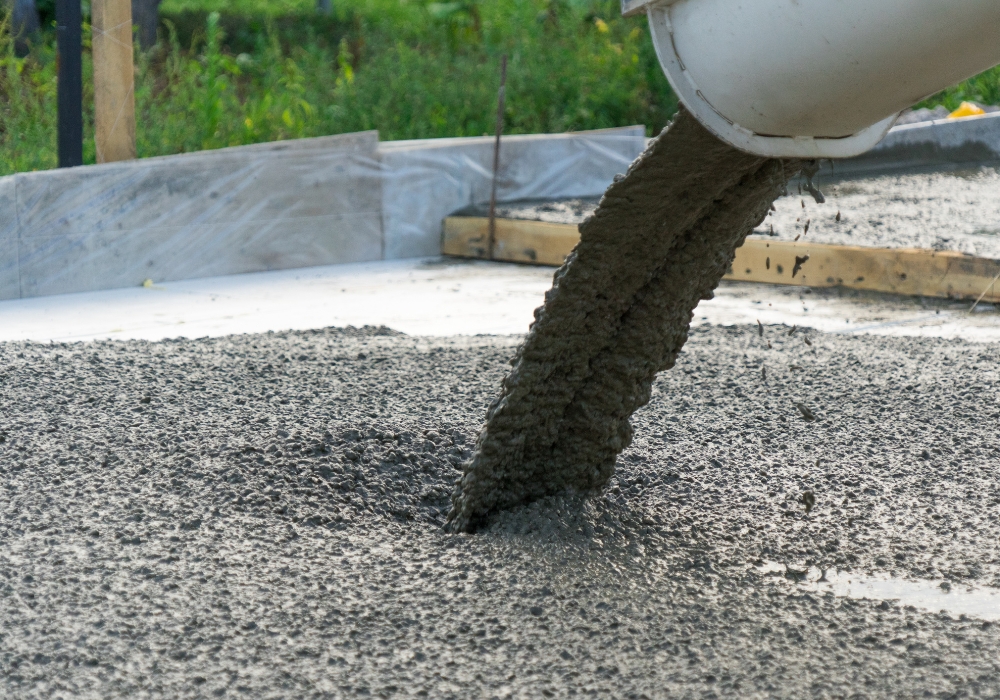
Correct placement and coverage of reinforcement are essential for both slab types. Using reliable concrete pumping services helps ensure the concrete is placed evenly and at the correct depth, reducing the chance of weak spots that shorten the slab’s lifespan.
Drainage, Control Joints and Expansion Joints
House slabs include control joints to manage natural movement in the concrete and reduce the risk of surface cracking. These joints help the slab move slightly without causing damage to internal finishes or structural elements.
Garage slabs often include additional expansion joints, especially near the entrance or apron area. Vehicles create vibration and concentrated pressure, which can increase cracking if the slab cannot move freely. Extra joints help spread movement and protect the concrete.
Good drainage around the slab is also important. Water should be directed away from the edges to prevent erosion or moisture build-up. Proper falls, drains and site grading all help protect the concrete from long-term damage.
Building Codes and Site Preparation
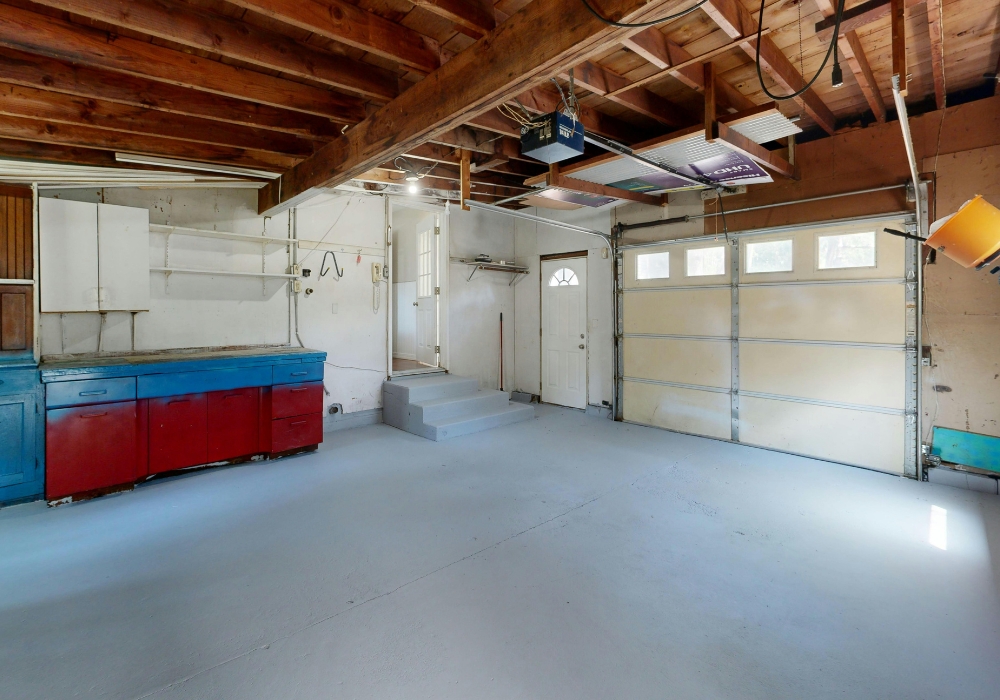
Both slab types must follow Australian Standards, and the key reference is AS 2870 – Residential slabs and footings. This standard guides design requirements based on soil type, site conditions and expected movement. House slabs often have stricter requirements because they support the full structure and must protect internal finishes.
Garage slabs may not need the same level of engineering detail, but they still require correct thickness, reinforcement and concrete strength to perform well. Soil testing and proper site preparation remain essential for both. A well-compacted base helps prevent sinking, cracking and uneven settlement as the slab ages.
Correct site drainage around the slab also supports long-term durability and helps avoid moisture damage during heavy rain.
Cost and Installation Time
Garage slabs usually cost less per square metre because they do not need insulation or finishes for internal flooring. The design is simpler, and there are fewer services to work around. However, the thicker concrete and heavier reinforcement used in garages can increase the final price, especially for large spaces or areas that support heavy vehicles.
House slabs take longer to install because plumbing, drainage lines and electrical conduits must be set in place before the concrete is poured. These services need accurate planning to avoid changes later. Additional requirements such as insulation, vapour barriers and strict engineering also add to the cost and installation time.
Why Professional Installation Matters
The performance of any slab depends on correct preparation and accurate concrete placement. Poor compaction, incorrect reinforcement depth or rushed curing can lead to cracking, uneven surfaces and structural issues. A slab that is not built for its load or site conditions is more likely to fail early and cost more to repair.
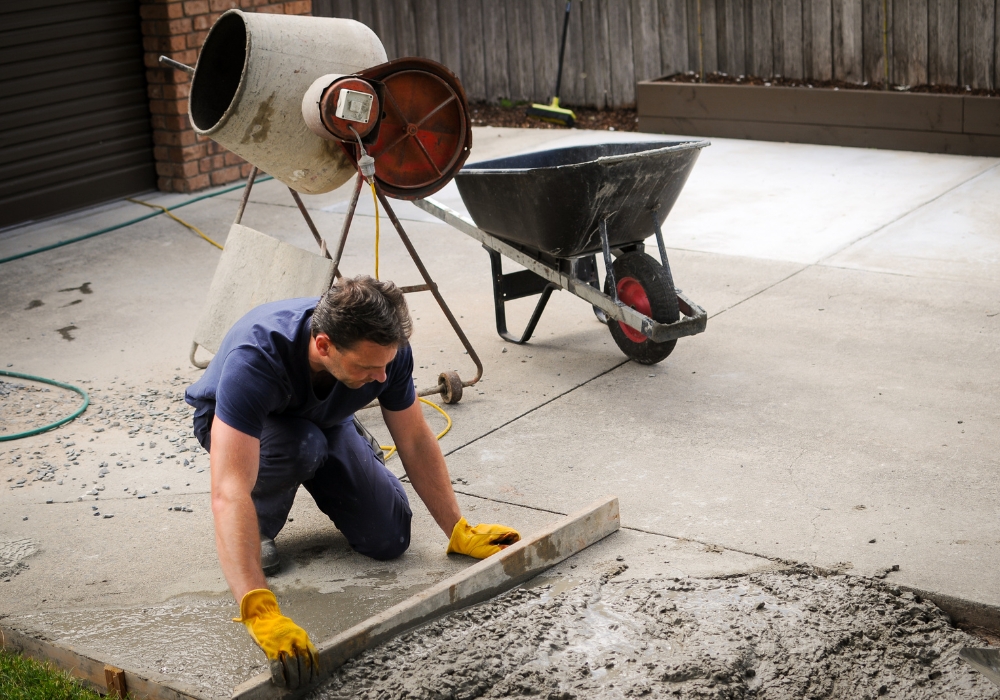
Experienced concreters understand soil behaviour, reinforcement requirements and the engineering needed for each slab type. Proper setup of formwork, reinforcement and drainage helps ensure the slab reaches the required strength. Attention to these details supports long-term durability and reduces the risk of movement or surface faults.
Choosing the Right Slab for Your Build
The right slab depends on how the space will be used. A house slab supports the full structure, while a garage slab requires extra thickness and reinforcement to handle vehicles and equipment. Matching the slab to its purpose helps prevent cracking, moisture issues and early wear.
Planning ahead also reduces delays during construction. Soil testing, correct site preparation and suitable engineering all influence the long-term performance of the slab.
Concreters Maitland can help assess your site and recommend the slab design that suits your build. Our team installs slabs to match Australian Standards and the demands of local conditions.
FAQs
How thick should a garage slab be?
Most garage slabs range from 150–200mm, depending on the weight of vehicles and equipment. Heavier loads may require engineering and stronger reinforcement.
Does a house slab need a vapour barrier?
Yes. A vapour barrier helps prevent rising damp from affecting flooring materials and supports a healthier indoor environment.
What concrete strength is used for garage slabs?
Garage slabs commonly use higher-strength concrete, usually between 25–32 MPa, to handle concentrated loads from tyres and equipment.
Do garage slabs always need a slope?
A slight slope is recommended so water drains toward the opening or a drain. This reduces pooling and surface wear over time.
Can a garage slab be insulated if the space is converted later?
Yes. Insulation can be added over the existing slab during renovation if the garage becomes a habitable room.